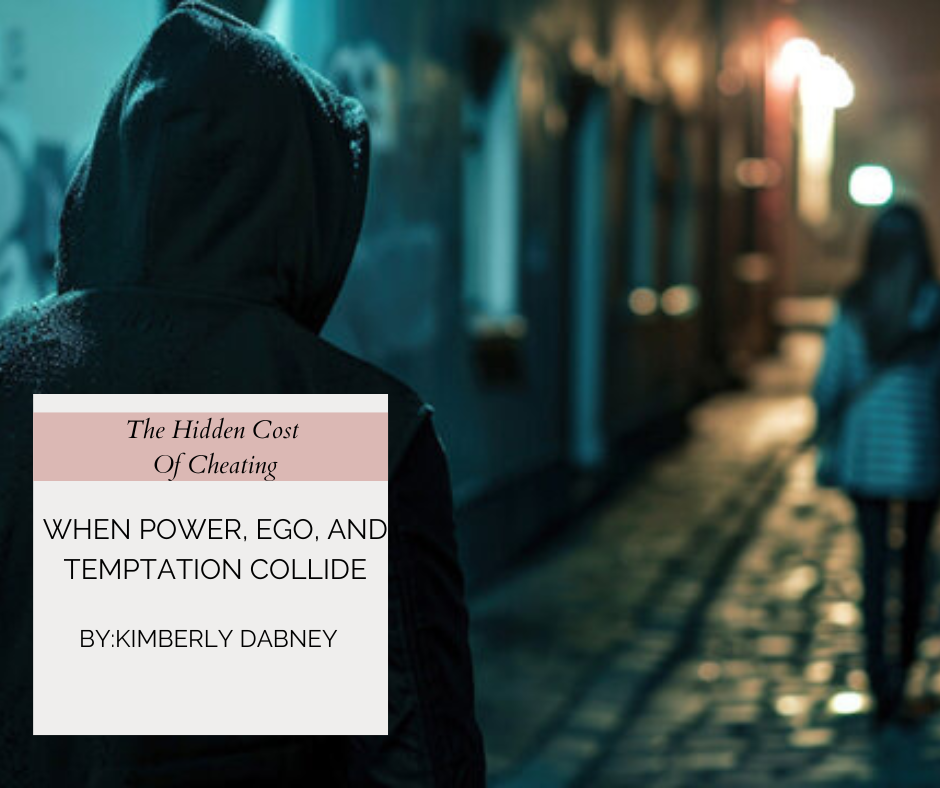
The Hidden Cost of Cheating: When Power, Ego, and Temptation Collide
Cheating can destroy more than a relationship. For men in leadership or positions of influence, it can lead to obsession, stalking, and personal or professional ruin. Learn the warning signs and how to protect your peace, reputation, and legacy.
Introduction
Success brings attention, and attention brings temptation. For a man in a position of leadership, one of the most damaging decisions he can make is to cheat. What may begin as excitement or escape can quickly spiral into emotional chaos and real world consequences.
Affairs thrive on secrecy, but the aftermath is often anything but private. When a man ends an affair, the side piece may feel betrayed, rejected, or humiliated and that emotional mix can turn dangerous. This article explores the real cost of cheating, why side relationships often end badly, and the red flags that signal danger long before things go too far.
Why the Side Piece Can Become Dangerous
An affair is an emotional power imbalance. One person controls access, secrecy, and timing; the other invests emotionally, often with unmet expectations. When the affair ends, that imbalance flips. The person who feels used or abandoned may react with anger, obsession, or a desire for revenge.
This is why cheating is not simply a private moral failure, it’s a leadership liability. A moment of weakness can create long term exposure: career risk, reputation loss, and even personal safety concerns.
When pride and pain meet rejection, logic often disappears. The person who once admired you may become the one who wants to destroy you.
When Obsession Crosses the Line
Some people cannot accept the end of an affair. Emotional outbursts can escalate into invasive and unsafe behaviors, including:
Showing up uninvited at work, social events, or home.
Driving through the partner’s neighborhood or lingering nearby.
Watching the home from a distance or sitting across the street.
Repeated calls, texts, or online messages after being told to stop.
Threats or intimidation, such as “I’ll tell everyone what you did.”
Targeting the partner, sending messages or contacting her friends, family, or workplace.
These are not emotional gestures; they are acts of harassment and potential stalking. If this happens, it’s time to act, not to argue or hide it, but to document, report, and protect everyone involved.
Signs the Situation Is Turning Dangerous
Emotional outbursts become more frequent and controlling.
Demands for more attention or visibility increase.
Threats of exposure or revenge begin.
Physical appearances near your home, partner, or workplace.
Attempts to contact or intimidate your partner.
Recognizing these signs early can prevent escalation. The longer boundaries are ignored, the harder they are to restore.
What To Do If It HappenS
If things reach this point, treat it seriously.
Document everything: Calls, texts, and sightings.
Avoid confrontation : Distance is safer than dialogue.
Inform your partner: Transparency helps protect her.
Seek legal help if harassment continues.
Focus on safety, not saving face.
Your reputation can recover; your safety may not if the situation is ignored.
The Leadership Lesson
True leadership is measured by restraint, not indulgence. Power without discipline destroys more than it builds.
A man in leadership who cheats is gambling with his legacy. The thrill fades, but the consequences can echo for years. Real power is not in the ability to attract temptation, it’s in the strength to walk away from it.
Discipline protects your peace. Integrity guards your future. The decision to stay faithful is not just moral; it’s strategic.